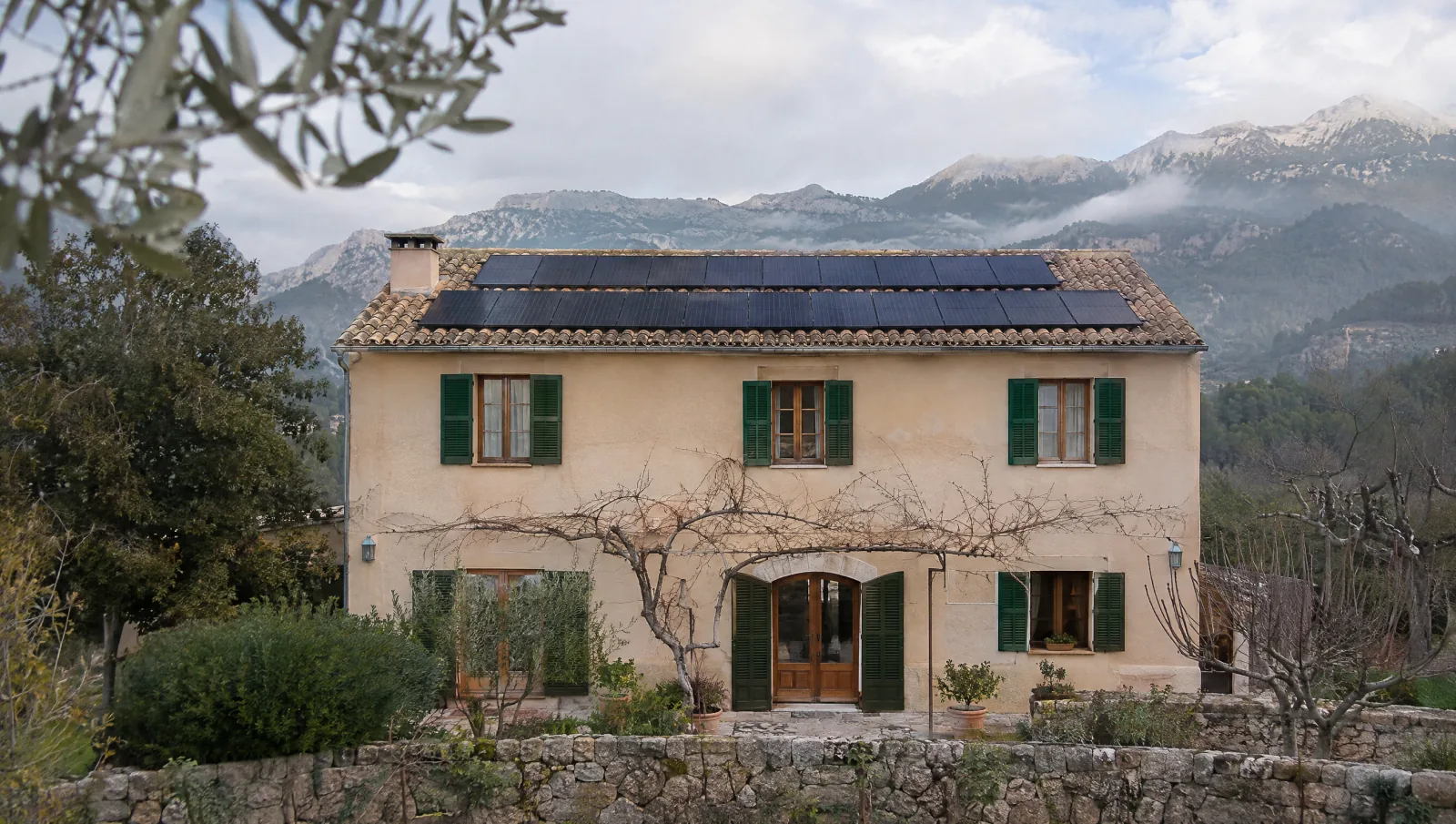
Solar panels in winter in the Balearic Islands: output, performance and tips
November 26, 2026
Yes, solar panels produce electricity in winter too. Photovoltaic cells need solar radiation, not heat, so they can generate electricity on cold days and even when the sky is partly cloudy. What usually changes compared with summer is the total energy produced during the day.
In winter there are fewer daylight hours, the sun sits lower in the sky and cloudy spells may become more frequent. Output also depends on the orientation, tilt, shading and condition of each installation. That is why a universal figure cannot reliably predict how much the panels on a home or business in the Balearics will generate.
A design based on annual consumption and the actual conditions of the roof makes it possible to use the installation throughout the year. It also helps distinguish normal seasonal variation from a drop in performance that calls for an inspection.
Do solar panels produce energy in winter?
Photovoltaic modules convert solar radiation into electricity. As long as light reaches the cells, they can generate electricity, although instantaneous power varies. Cold alone does not stop the process, and a moderate module temperature can benefit its electrical performance when there is sufficient solar radiation.
The main difference is usually the amount of solar energy available during the day. A clear day in December offers fewer useful daylight hours than one in June, and the sun’s lower path can produce shadows that do not reach the panels in summer. Lower seasonal output does not mean the installation is no longer useful.
What changes in solar production during winter
To interpret an installation’s data, several factors need to be considered separately. Some are seasonal; others depend on the building, its surroundings or how the equipment operates.
Fewer daylight hours and a lower sun
The time between sunrise and sunset is shorter in winter. The sun also follows a lower path across the sky. This reduces the time available for generation and changes the angle at which solar radiation reaches the panels.
Orientation and tilt affect the pattern of generation throughout the day, but should not be changed without an assessment. A fixed installation is designed to provide an annual balance suited to the roof and self-consumption goals, not to maximise output in a single month.
Temperature, cloud cover and available solar radiation
Cells can operate at low ambient temperatures. Excessive heat, in fact, raises the module temperature and can reduce its instantaneous efficiency. A cold morning does not guarantee high output, however: the decisive factor is still the solar radiation available.
Clouds reduce direct solar radiation, but allow some diffuse light through. The system can continue generating at a lower power level. Cloud density and duration, and the radiation reaching the roof, determine the actual result.
Orientation, tilt and seasonal shading
Trees, chimneys, nearby buildings and features of the roof itself can cast different shadows throughout the year. They are particularly important in winter because the sun is lower. Partial shading can affect one or more modules and change the usual production curve.
For this reason, the initial assessment should examine the sun’s path and potential obstructions. If the installation is already operating, comparing data from equivalent periods can help identify changes in the surroundings or faults.
How panels work on cloudy days
A panel does not need a completely clear view of the sun to generate electricity. It also uses some of the diffuse radiation that passes through and is scattered by the atmosphere. On an overcast day, generation is usually lower and can fluctuate rapidly as clouds pass.
Monitoring may show these fluctuations as an uneven curve. They should not automatically be mistaken for a fault. To assess performance, it is more useful to look at total energy generated, weather conditions and how output compares with the system’s expected production.
If output falls persistently without a clear weather-related cause, check the app, inverter and system alerts. Electrical connections and protection devices should not be handled without the necessary qualifications.
How to make better use of solar energy in winter
Shorter days make it more important to align consumption with generation. IDAE notes that direct use is greater when demand coincides with photovoltaic generation.
Shift consumption to generation hours
Washing machines, dishwashers, electric water heaters and other programmable appliances can be used during daylight hours, provided available power and operating conditions allow. Shifting consumption to sunny hours helps use more energy as it is generated.
This does not mean switching on every appliance at once. Excessive simultaneous demand can exceed instantaneous generation or available power. Scheduling should spread the loads and respect the priorities of the home or business.
Monitor the installation and identify anomalies
Monitoring output shows when the installation generates electricity, how much energy is used directly and how much is exported to or imported from the grid. Isolated daily figures provide little perspective; comparing equivalent weeks or months and considering the weather is more useful.
Production: energy generated by the panels during the period.
Self-consumption: the share of production used directly on the premises.
Surplus: energy generated that is neither consumed nor stored at that time.
Grid consumption: electricity needed when available generation does not meet demand.
Consider storage based on your consumption profile
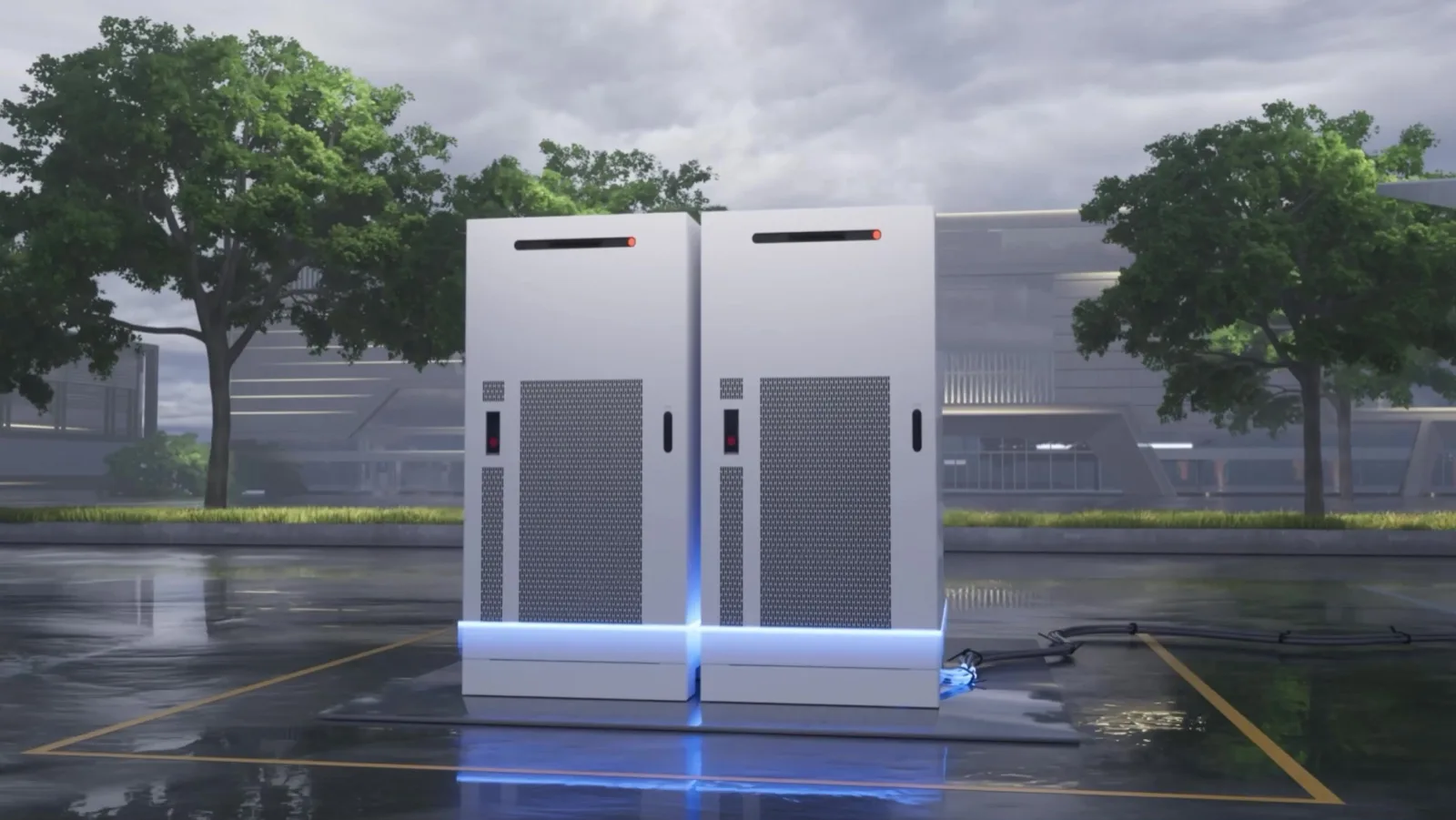
A battery can store some surplus energy for use after dark, but whether it is worthwhile depends on how much energy is left over, when it is used and the intended objective. There may be less surplus available in winter, so sizing should be based on annual data, not just the highest-producing months.
If you also want power during outages, the installation needs a compatible backup function. Backup batteries must be designed around essential loads, simultaneous power requirements and the required duration of supply.
Maintenance before and during the colder months
Rain can remove some surface dust, but it is no substitute for an inspection. Leaves, bird droppings, salt deposits or other stubborn dirt may remain on the modules. It is also worth checking that gutters, vegetation or new structures do not cast shadows or obstruct safe access.
Maintenance should include checking monitoring data, inverter alerts, visible protection devices and the general condition of the installation. Roof cleaning and electrical inspections should be carried out by suitably equipped and qualified personnel. Climbing onto a wet roof or handling electrical components is dangerous.
Ecoenergia designs, installs and maintains solar panel systems in the Balearic Islands. A professional inspection can determine whether a fall in output is due to the season, new shading, localised dirt or a technical fault.
Frequently asked questions about solar panels in winter
Do solar panels work in cold weather?
Yes. Photovoltaic panels need solar radiation. Low ambient temperatures do not prevent generation and can avoid some of the losses associated with the module heating up.
Do they produce energy on a cloudy day?
Yes, because they use some diffuse radiation. Power is usually lower than on a clear day and can change rapidly as clouds pass.
Does rain affect performance?
The associated cloud cover can reduce output. Rain can wash away loose dust, but it does not guarantee a thorough clean or replace maintenance.
Is winter a good time to install solar panels?
An installation can be assessed and carried out at any time of year if site conditions allow. The decision should take account of annual consumption, the roof and project lead times, not just one month’s output.
Should I change the tilt of the panels?
Not without an assessment. Most rooftop installations use fixed structures designed to balance output, safety, integration and loads. Changing them may require a fresh technical assessment.
How do I know whether output is normal?
Compare equivalent periods, check the weather and consult the monitoring data and inverter alerts. If the fall is persistent or unusual, request a professional inspection.
Does a battery help make better use of the energy?
It can store surplus energy for later use. Its usefulness depends on the consumption profile, available generation, tariff and the desired level of independence or backup.
Request a solar assessment tailored to your consumption
Photovoltaic output changes throughout the year, but a well-designed installation continues to supply energy in winter. Estimating its performance requires an assessment of consumption, orientation, shading, usable space and self-consumption goals.
Ecoenergia assesses homes and businesses in Mallorca, Menorca and Ibiza and designs each system around the property’s actual conditions. You can request a personalised quote for a new installation or have your panels’ performance checked during the winter months.